CMMS for Oil and Gas: Keeping Pumps, Tanks and Pipelines Compliant
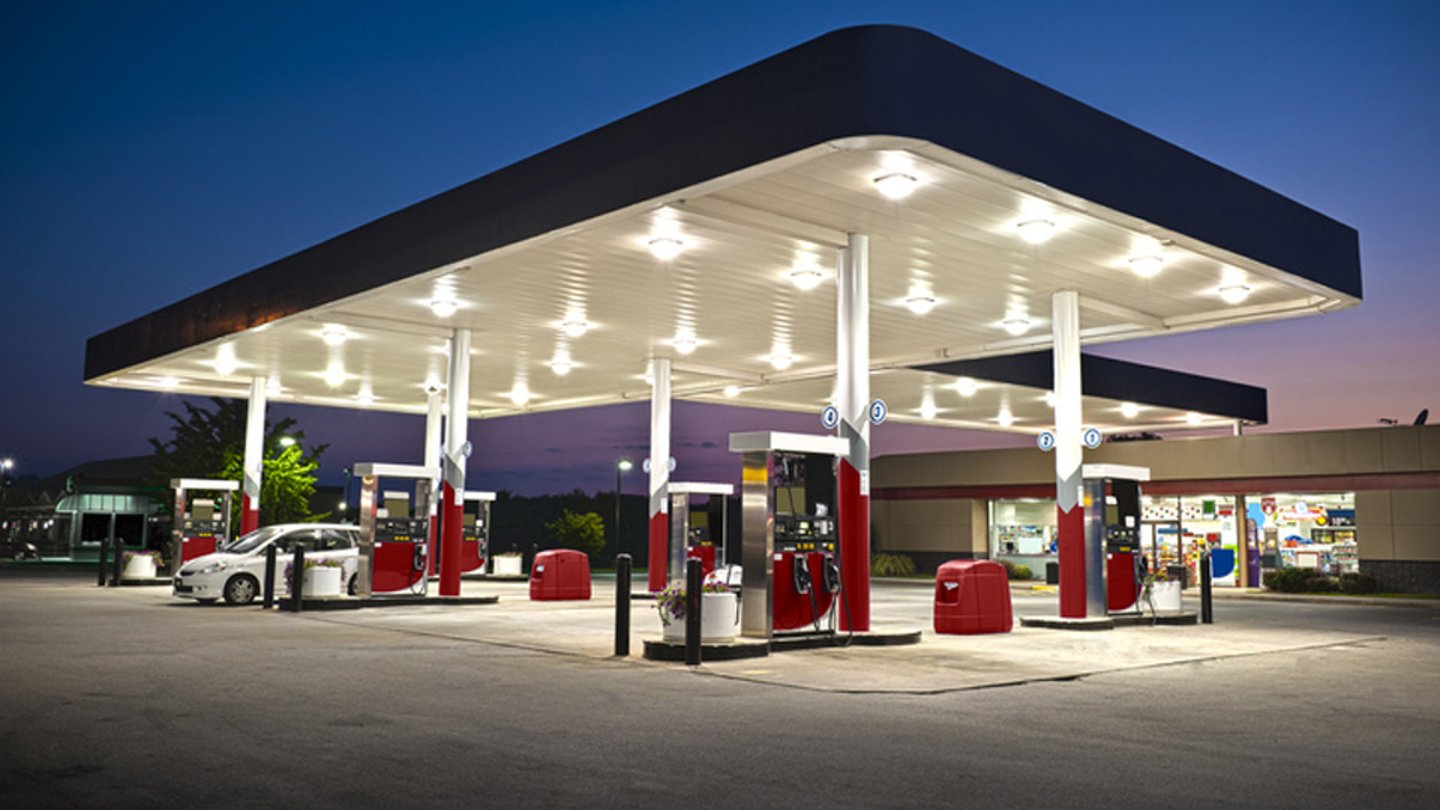
A CMMS for oil and gas schedules and records the maintenance and inspections that keep pumps, tanks, pipelines and dispensers safe, available and compliant. It turns inspection schedules into work orders, connects tank and equipment sensors to automatic alerts, and keeps a time-stamped record of every check for auditors and regulators.
Oil and gas operations, from upstream sites to fuel retail stations, run equipment where a missed inspection can mean a leak, a fine or a closed site. This guide explains what makes maintenance in this industry different, what to maintain and how often, how to stay audit-ready, and what to look for in a CMMS.
Why is maintenance in oil and gas different?
Three things set oil and gas maintenance apart from most industries:
- The cost of failure is high. A leaking tank or pipeline is an environmental incident, a safety risk and often a regulatory violation, not just a repair.
- Assets are remote and spread out. Wellheads, pump stations, terminals and retail sites can be hours apart, so every wasted trip costs crew time.
- Compliance is continuous. Many inspections are required at fixed intervals, and operators must prove they happened, with records ready for an auditor at any time.
That combination makes paper checklists and spreadsheets risky. A missed entry is hard to spot until an audit or an incident reveals it. A CMMS replaces them with scheduled work orders, mobile checklists and a complete history for every asset.
What needs maintaining: pumps, tanks and pipelines
Each asset type has its own failure modes and maintenance routine.
Pumps and compressors
- Monitor vibration, temperature, pressure and runtime hours.
- Service seals, bearings and lubrication based on runtime, not just the calendar.
- Track repeat failures by pump model to plan replacements.
Storage tanks
- Monitor fuel levels, water ingress and temperature with automatic tank gauges (ATGs).
- Inspect spill buckets, overfill prevention and containment sumps on schedule.
- Run leak detection tests and keep the results with the tank's record.
Pipelines and piping
- Inspect for corrosion, and test cathodic protection where it is installed.
- Test line leak detectors and check sumps where piping connects.
- Log pressure readings and investigate unexplained drops.
Dispensers and site equipment
- Inspect hoses, nozzles, breakaways and filters.
- Check meter calibration and payment equipment.
- Keep fire suppression and emergency shut-offs tested.
In a CMMS, each of these routines becomes a preventive maintenance schedule attached to the asset, triggered by date, runtime or a sensor reading.
How does a CMMS help you stay compliant?
Regulations set both what must be checked and how often. In the US, for example, owners of underground storage tanks must perform walkthrough inspections every 30 days, covering spill prevention and release detection equipment, and annual checks of items such as containment sumps, under 40 CFR 280.36. Other countries and states have their own rules, but the pattern is the same: fixed intervals and proof that each check was done.
A CMMS supports compliance in four ways:
- Schedules: every required inspection becomes a recurring work order, so nothing depends on memory.
- Standard checklists: technicians follow the same digital checklist at every site, with required fields, photos and readings.
- Proof: each completed check is time-stamped, signed off and stored against the asset.
- Reporting: managers see overdue inspections across all sites, and can produce records for an auditor in minutes instead of searching through paper.
Always confirm the exact requirements that apply to your sites with your regulator or compliance team.
From sensor alert to work order: the Shell example
Tank monitoring shows how sensors and a CMMS work together. Automatic tank gauges already measure fuel levels and detect leaks, but on their own they create a stream of alarms that someone has to interpret.
Shell worked with Energos to modernize underground storage tank monitoring across 200 fuel retail stations. The project connected tank gauges from different manufacturers, including Veeder-Root and Franklin Fueling, to one platform that detects leaks, overfills and sensor anomalies in real time and automates compliance workflows. According to the Shell ATG/UTG case study, the results included:
- A 47% reduction in false alarms.
- Compliance improved from 84% to over 98%.
- Fewer unscheduled site visits.
The principle applies across oil and gas: connect the IoT data you already have, filter out noise, and send real problems straight to a technician as a work order.
What should you look for in a CMMS for oil and gas?
Most CMMS tools handle basic work orders. For oil and gas, check for these capabilities:
- Sensor and equipment integration: connects to tank gauges, SCADA and IoT sensors from multiple vendors, and turns alerts into work orders.
- Compliance scheduling: recurring inspections with required checklist fields, photos and sign-off.
- Audit-ready records: time-stamped history for every asset, exportable for regulators.
- Mobile and offline use: technicians at remote sites can complete jobs without a reliable connection.
- Multi-site visibility: one view of overdue work and compliance status across every location. See multi-site management.
- Asset hierarchy: sites, tanks, pumps and lines organized so history rolls up correctly. See asset management.
- Security: encrypted data and role-based access, which matter for critical infrastructure.
If you are comparing systems, our guides What Is a CMMS? and CMMS vs EAM vs ERP explain the options. Learn more about maintenance for oil and gas.
Frequently asked questions
What is a CMMS for oil and gas?
It is maintenance software that schedules and records maintenance and inspections for oil and gas assets such as pumps, tanks, pipelines and dispensers, with the compliance records the industry requires.
How often should underground storage tanks be inspected?
In the US, walkthrough inspections are required every 30 days, with additional checks annually, under 40 CFR 280.36. Requirements differ by country and state, so confirm the rules that apply to your sites.
Can a CMMS connect to tank gauges and SCADA?
Yes, if it supports IoT and equipment integrations. Energos connected tank gauges from several manufacturers across 200 Shell stations to automate alerts and compliance workflows.
Is a CMMS useful for fuel retail as well as upstream operations?
Yes. The same principles apply at a well site, a terminal or a fuel station: scheduled inspections, sensor-triggered work orders and a complete record for every asset. See how Energos supports fuel retail and convenience stores.
Topics:
Operations & Maintenance
Fuel Retail & Convenience Store
Stop Losing Revenue to the "Out of Order" Sign.
Ready to guarantee 99.9% uptime? Join operations teams who’ve eliminated reactive maintenance and use the Energos Digital Operations Hub to automate their repairs and protect their bottom line. Get started for free today.